Google Ranking Factors: What Helps Websites Rank on Google?
Ranking on Google is harder than it used to be. Competition is stronger. Search results are more complex. Google also looks at many different signals before deciding which pages deserve to appear near the top.
At Peak District SEO, we help businesses improve their rankings through clear SEO audits, better content, stronger website structure, and technical improvements.
What Are Google Ranking Factors?
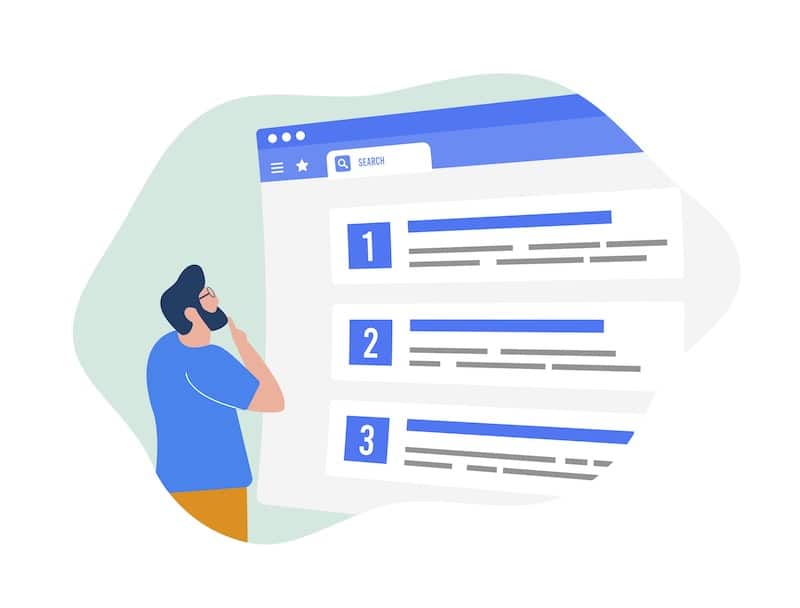
Google ranking factors are the signals Google uses to decide where a page should appear in search results.
These signals help Google understand:
- What the page is about
- How useful the content is
- Whether the website can be trusted
- How easy the page is to use
- Whether the page matches the search query
No one outside Google knows every ranking factor. However, many important SEO signals are well understood through testing, official guidance, and real-world results.
Why SEO Still Matters
SEO helps your website appear in front of people who are already searching for your products, services, or advice.
Good SEO can improve visibility across:
- Google Search
- Google Maps
- Featured snippets
- AI Overviews
- Image search
- Voice search
Search is changing fast. Clear content, strong structure, and trusted information are now more important than ever.
Content Quality Is Still Essential
Google wants to show helpful content. Pages that are thin, vague, copied, or hard to read often struggle to rank well.
Strong SEO content should be:
- Useful
- Accurate
- Easy to read
- Well structured
- Written with real knowledge
- Focused on the reader’s needs
At Peak District SEO, we focus on content that helps real people. Keywords matter, but the content must still answer the question properly.
Search Intent Matters
Search intent means the reason behind a search.
For example:
- “What is SEO?” is an information search
- “SEO company near me” is a service search
- “Best SEO agency Derbyshire” is a comparison search
A page can be well written and still fail if it targets the wrong search intent. The content must match what the user expects to find.
Keywords Still Help Google Understand Your Page
Keywords are still important, but they should be used naturally. Google now looks at the wider topic, not just repeated phrases.
A strong page about Google ranking factors may also mention:
This helps Google understand the full subject of the page.
Backlinks Are Still Important
Backlinks are links from other websites to your website. They help Google understand trust, authority, and relevance.
Good backlinks often come from:
- Relevant industry websites
- Trusted publications
- Local organisations
- Useful resources
- Established businesses
Quality matters more than quantity. A few strong, relevant links can be more useful than many poor-quality links.
Website Structure Affects Rankings
A clear website structure helps both users and search engines.
Good structure helps Google:
- Find important pages
- Understand how pages are connected
- Crawl the website more easily
- Recognise key topics
Helpful structure includes clear menus, sensible URLs, internal links, breadcrumbs, and well-planned service pages.
Core Web Vitals and Page Experience
Google wants users to have a smooth experience. Slow websites can frustrate visitors and harm performance.
Common speed problems include:
- Large images
- Too many plugins
- Excessive JavaScript
- Poor hosting
- Weak caching
- Bloated themes
Improving page speed can support both rankings and conversions.
Mobile SEO Is Essential
Most users search on mobile devices. Google also uses mobile-first indexing, which means the mobile version of your website is very important.
A mobile-friendly website should have:
- Responsive design
- Fast loading times
- Readable text
- Easy navigation
- Clear buttons
- Stable layouts
AI Search Is Changing SEO
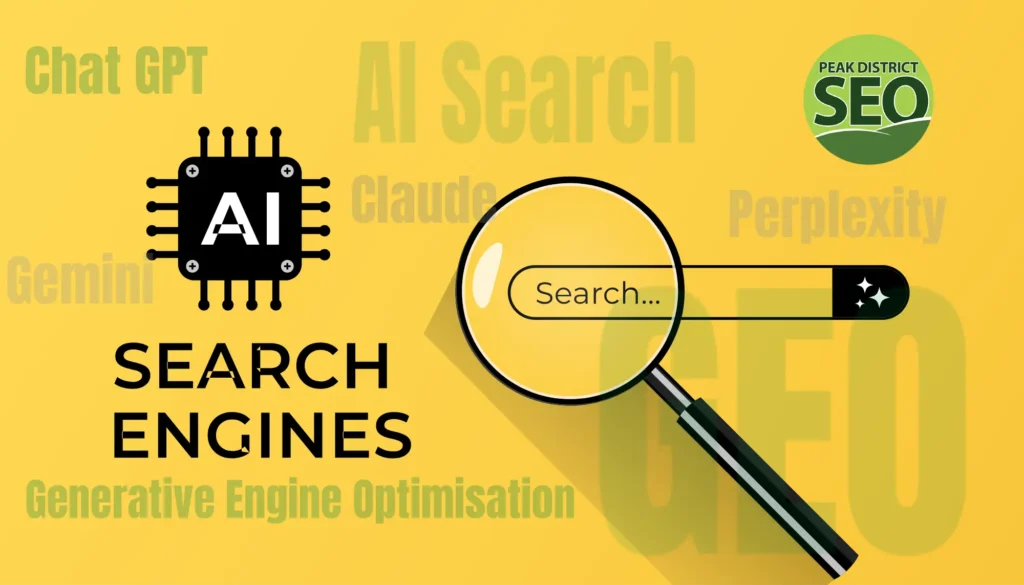
AI-powered search is changing how people find information. Google AI Overviews, ChatGPT, Gemini, and Perplexity often rely on clear, well-structured content.
Content is more likely to be understood by search and AI systems when it is:
- Clear
- Accurate
- Well organised
- Easy to scan
- Linked to trusted topics
This is why strong headings, direct answers, FAQs, and helpful explanations are now so valuable.
EEAT and Trust Signals
EEAT stands for experience, expertise, authoritativeness, and trustworthiness.
Trust signals can include:
- Clear contact details
- Real business information
- Useful service pages
- Genuine reviews
- HTTPS security
- Expert content
- Accurate policies
Google is more likely to trust websites that look genuine, helpful, and reliable.
Structured Data and Schema Markup
Schema markup helps search engines understand your website content more clearly.
Schema can support:
- FAQ results
- Review information
- Product details
- Local business details
- Organisation information
Schema is not a quick fix, but it can improve how clearly search engines read your website.
Internal Linking Supports SEO
Internal links connect pages on your own website. They help users move around your site and help Google understand which pages matter most.
Strong internal linking can:
- Help Google discover pages
- Pass authority between pages
- Support topic clusters
- Improve user journeys
- Make important pages easier to find
Many websites have strong pages that are hidden because they have too few internal links.
Content Freshness Matters
Older content can lose rankings over time. This is often called content decay.
Content may need updating when:
- Information becomes outdated
- Competitors publish better content
- Search intent changes
- Internal links are missing
- The page becomes hard to read
Refreshing old content can be one of the quickest ways to improve SEO performance.
Common SEO Problems That Hurt Rankings
Many websites struggle because of hidden SEO problems.
Common issues include:
- Duplicate content
- Thin pages
- Slow loading times
- Poor mobile usability
- Broken redirects
- Weak internal linking
- Too much JavaScript
- Pages that are not indexed
- Keyword cannibalisation
An SEO audit can help identify these problems and create a clear plan to fix them.
What Happens During a Google Core Update?
Google core updates can change rankings across many industries. These updates help Google reassess content quality, trust, relevance, and user satisfaction.
Websites with weak content, poor structure, or slow performance may lose visibility. Websites with helpful content and strong authority often perform more consistently.
Local SEO Ranking Factors
Local businesses need to pay attention to local SEO as well as traditional SEO.
Important local SEO factors include:
- Google Business Profile optimisation
- Customer reviews
- Local backlinks
- Consistent business details
- Local service pages
- Location relevance
For businesses that serve a town, city, or region, local SEO can be one of the most valuable sources of leads.
FAQs About Google Ranking Factors
What are the most important Google ranking factors?
Content quality, backlinks, search intent, website structure, user experience, and technical SEO are among the most important ranking factors.
Do backlinks still matter?
Yes. Backlinks still help Google understand authority and trust. Relevant, high-quality backlinks are usually more valuable than large numbers of weak links.
Does page speed affect SEO?
Yes. A slow website can harm user experience and may affect rankings, engagement, and conversions.
Can AI-written content rank on Google?
AI-assisted content can rank if it is useful, accurate, well edited, and written for people. Poor, generic content is unlikely to perform well.
How often should content be updated?
Important pages should be reviewed regularly. Service pages, guides, and high-traffic articles often benefit from updates when information changes.
Why did my rankings drop?
Ranking drops can happen because of Google updates, technical problems, weaker content, lost backlinks, or stronger competition.
Improve Your Google Rankings With Peak District SEO
If your website is struggling to rank, Peak District SEO can help. We identify the issues that hold your website back and create a clear plan for improvement.
Our SEO services include:
- Technical SEO audits
- Content optimisation
- Website structure reviews
- Core Web Vitals improvements
- Internal linking plans
- Local SEO campaigns
- Link building
- Google Ads support
Our approach focuses on long-term growth, better visibility, and stronger search performance.
Contact Peak District SEO Today
Contact Peak District SEO today to discuss how we can improve your rankings, traffic, and online enquiries.

You may also like:
- Google Ranking Suddenly Dropped
- SERP Metrics: The Data That Helps Your Website Rank
- How To Get Google Rankings Back If Your Positions Drop
- Google Rankings Dropped? Learn How to Fight Back
- Beginner’s Guide to SEO Jargon 2025

I’m Phil Gregory, the MD and founder of Peak District SEO.
I’m an SEO & Google Ads Consultant with 28+ years of experience in I.T and helping UK Businesses improve website performance.
I built my first website in 1998, then I discovered the joys of website optimisation and never looked back.
If you want a no-nonsense, no-hard-sell approach and to actually get your website fixed with a solid, affordable, long-term approach, hit the contact button today.
Peak District SEO is a UK-based Digital Marketing Company.
We help businesses make more money, using traditional Search Engine Optimisation (SEO) , Ai Search / GEO and paid advertising (PPC).
Why Peak District SEO?
27+ years of experience.
80+ 5* reviews on Google
Our customers have hundreds of page one and position 1 rankings, and we can prove it.
We’ve helped hundreds of SMEs in the UK
We have numerous articles published across the web discussing SEO.
We regularly publish case studies about the work we’ve done
Customers trust our service – See our reviews on Google, Trustpilot and Facebook
Our customers have hundreds of page one and position 1 rankings and we can prove it.