Ecommerce SEO helps online shops appear higher in Google and other search engines. A strong ecommerce SEO strategy can bring more visitors to your website, improve product visibility and help turn more clicks into sales.
At Peak District SEO, we help ecommerce businesses improve their online visibility with clear, data-led SEO campaigns built for long-term growth.
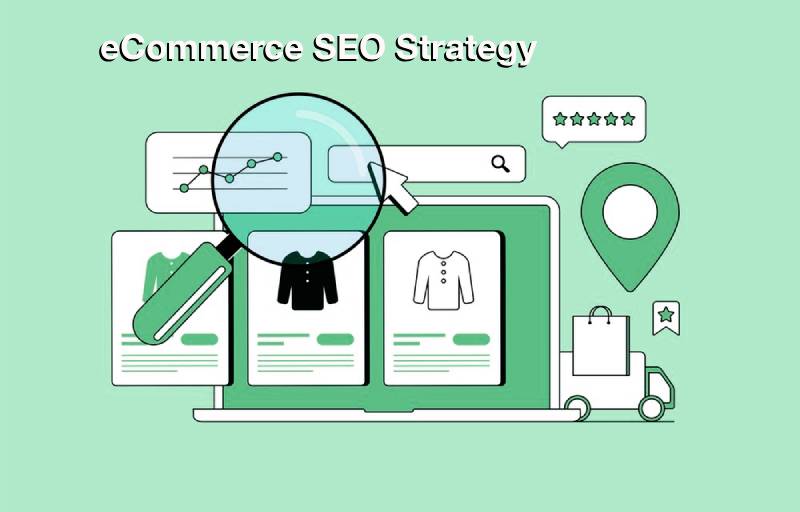
Online retail is more competitive than ever. More businesses are moving their products online, which means your ecommerce website needs to work harder to stand out.
Search engine optimisation helps your online store appear in front of customers at the right stage of the buying journey. It also helps build trust, authority and long-term visibility.
A good ecommerce SEO strategy usually includes keyword research, link building, technical SEO, better site speed and stronger product pages.
Platforms such as Shopify, WooCommerce and Magento all benefit from clear navigation, clean URLs and fast-loading pages.
What is Ecommerce SEO and Why Does It Matter?
Ecommerce SEO is the process of improving an online shop so search engines can find, understand and rank it.
When done well, it can improve:
- Organic traffic
- Product visibility
- Click-through rates
- Customer trust
- Sales and enquiries
A successful e-commerce SEO strategy helps search engines crawl product pages, category pages and blog content more easily.
It also helps users find the information they need before they buy.
The Main SEO Challenges for Ecommerce Websites
Ecommerce websites often have more SEO issues than smaller business websites.
This is because they usually have larger product ranges, product variations and stock that changes often.
Common ecommerce SEO problems include:
- Duplicate content across similar products
- Thin product descriptions
- Broken links from removed products
- Slow-loading pages
- Poor category structure
- Weak internal linking
Ecommerce site architecture is especially important. If your site is hard to use, customers may leave before they buy.
Search engines also need a clear structure so they can understand your key pages.
The Basics of SEO for Ecommerce Businesses
Ecommerce businesses need a clear SEO foundation.
The most important areas include:
- Keyword performance and keyword research
- Valuable backlinks from trusted websites
- Optimised product titles and page titles
- Helpful product descriptions
- Technical SEO audits
- Clean URLs and simple navigation
- Structured product data, including review schema
Tools such as Google Keyword Planner, Moz Keyword Explorer and Google Search Console can help you understand how people find your website.
They can also show where your ecommerce SEO strategy needs improvement.
Key Components of an Ecommerce SEO Strategy
An effective ecommerce SEO strategy should focus on the areas that have the biggest impact.
These include:
- Keyword research based on buying intent
- Product-focused keywords
- Optimised category pages
- Strong product descriptions
- Technical SEO fixes
- Faster page loading times
- Useful content for customers
- Quality backlinks that build authority
Peak District SEO helps ecommerce websites improve visibility through competitor research, data-led planning and practical SEO work.
Keyword Research Tips for Ecommerce SEO
Keyword research for ecommerce is different from keyword research for a standard website.
An online shop needs to target terms that match buying intent.
This can include:
- Product keywords
- Category keywords
- Transactional keywords
- Long tail keywords
- Search terms linked to product variations
Long tail keywords often have lower search volume, but they can bring highly relevant visitors.
For example, a broad keyword may attract browsers. A more specific keyword may attract people who are closer to buying.
On-Page Optimisation for Ecommerce
On-page SEO helps search engines understand each page on your website.
For ecommerce websites, this is especially important on product and category pages.
Key on-page SEO tasks include:
- Writing clear product titles
- Creating unique product descriptions
- Adding useful headings
- Improving image alt text
- Using clean URLs
- Writing helpful blog posts
- Adding internal links
- Using review schema to support customer trust
Good product descriptions should explain the features, benefits and uses of each product.
They should also help the customer make a confident buying decision.
Technical SEO for Ecommerce Websites
Technical SEO helps search engines crawl and index your website properly.
For ecommerce websites, this can make a major difference.
Important technical SEO checks include:
- Fixing broken links
- Managing redirects
- Checking page speed
- Improving mobile performance
- Using canonical tags correctly
- Submitting XML sitemaps
- Checking index coverage in Google Search Console
Technical SEO should be reviewed often, especially when products are added, removed or updated.
Building Backlinks for Ecommerce Websites
Building valuable backlinks can help improve your website’s authority.
Backlinks from relevant websites can support stronger rankings and better organic visibility.
Useful link-building methods include:
- Digital PR
- Guest articles
- Supplier links
- Product reviews
- Industry partnerships
- Helpful resources people want to share
The best links come from trusted websites that are relevant to your business.
Optimising Product Listings on Third-Party Platforms
Many ecommerce businesses also sell products on Amazon, eBay or other platforms.
These listings should also be optimised.
Focus on:
- Optimising titles
- Using clear product descriptions
- Adding accurate specifications
- Using strong images
- Encouraging customer reviews
Google Merchant Centre is also important for ecommerce brands. It can help your products appear in Google Shopping and support wider search visibility.
Measuring Ecommerce SEO Performance
Ecommerce SEO should be measured regularly.
This helps you see what is working and what needs improvement.
Useful metrics include:
- Organic traffic
- Keyword rankings
- Product page visits
- Conversion rates
- Revenue from organic search
- Site speed
- Indexing issues
Key metrics in Google Analytics and Google Search Console can guide better decisions.
They can also help you spot issues before they affect sales.
Summary: The Core of an Effective Ecommerce SEO Strategy
A strong ecommerce SEO strategy helps your online shop attract more visitors and convert more customers.
The most important areas are:
- Keyword research
- Technical SEO
- On-page optimisation
- Product page improvements
- Content marketing
- Link building
- User experience
SEO is not a one-time task. It needs regular checks, updates and improvements.
Ecommerce businesses that invest in SEO over time are more likely to build strong rankings, better traffic and long-term sales growth.
FAQs
What are the key elements of a successful e-commerce SEO strategy?
A strong strategy includes keyword research, technical SEO, on-page optimisation, link building and useful content. These areas help search engines understand your website and help customers find the right products.
How does ecommerce site architecture affect SEO?
Clear site architecture helps users find products quickly. It also helps search engines crawl your website and understand which pages matter most.
How can ecommerce websites fix duplicate content and broken links?
Regular technical SEO audits can help find these issues. Canonical tags, redirects and better product management can then be used to fix them.
What role do SEO tools play in ecommerce optimisation?
SEO tools help track keywords, rankings, site speed, crawling issues and ranking factors. They give ecommerce businesses clearer data for better decisions.
Ready to Improve Your Ecommerce SEO?
Start improving your online store’s visibility with Peak District SEO today. Visit our contact page to get tailored support.
Related Articles
- What ecommerce Site Architecture Means For Online Businesses
- PPC Campaign Management Best Practices for Ecommerce
- How Ecommerce Web Agencies Drive Growth
- Case Study: Wooden Furniture Shop & eCommerce and Marketing

I’m Phil Gregory, the MD and founder of Peak District SEO.
I’m an SEO & Google Ads Consultant with 28+ years of experience in I.T and helping UK Businesses improve website performance.
I built my first website in 1998, then I discovered the joys of website optimisation and never looked back.
If you want a no-nonsense, no-hard-sell approach and to actually get your website fixed with a solid, affordable, long-term approach, hit the contact button today.
Peak District SEO is a UK-based Digital Marketing Company.
We help businesses make more money, using traditional Search Engine Optimisation (SEO) , Ai Search / GEO and paid advertising (PPC).
Why Peak District SEO?
27+ years of experience.
80+ 5* reviews on Google
Our customers have hundreds of page one and position 1 rankings, and we can prove it.
We’ve helped hundreds of SMEs in the UK
We have numerous articles published across the web discussing SEO.
We regularly publish case studies about the work we’ve done
Customers trust our service – See our reviews on Google, Trustpilot and Facebook
Our customers have hundreds of page one and position 1 rankings and we can prove it.